

Christmas in Norway, or jul, is a season of Advent gatherings, festive baking, decorated homes, and family traditions. December 24 is the main celebration for many households. Food and customs differ between regions, and a snowy landscape is not guaranteed everywhere.
Christmas in Norway at a Glance
- Christmas Eve is a central family occasion for many Norwegians.
- Julebrus is a seasonal soft drink; julebord is a festive meal or party.
- Nisse folklore, marzipan, baking, and winter activities all contribute to the season.
Christmas Around The World: Norway
Christmas in Norway brings together food, lights and gatherings that many readers will recognize, alongside distinctive Norwegian names and customs. A Christmas Eve meal in one region can look different from a meal in another, and families choose which traditions matter to them.
Norwegian Christmas customs combine Christian celebrations, nisse folklore, regional food traditions, and modern family habits. These are examples you may encounter rather than practices followed by every household.
1. Winter Trips and Snow Activities

Snow varies greatly between the coast, inland areas and mountains. Some families plan a cabin stay or a day of skiing and sledding where conditions allow, followed by a quiet evening by the fire. Others spend Christmas in town or at home. Winter sports are one way to enjoy the season, not a requirement for a Norwegian Christmas.
2. Christmas marzipan appears

Marzipan, made from ground almonds and sugar, fills Norwegian shops in festive shapes and chocolate-coated pieces. The marzipan pig is especially familiar: it may be a small gift or a prize for finding the whole almond hidden in a bowl of Christmas rice porridge or rice cream. Families vary both the dessert and the prize.
3. Lutefisk joins the festive menu

Lutefisk is dried fish that has been soaked in water, treated with lye and soaked again before cooking. The preparation gives it a soft, gelatinous texture. It is a seasonal specialty often served with accompaniments such as potatoes, bacon, peas or mustard, depending on the recipe. Some people look forward to it every year; others prefer a different Christmas meal.
4. Fancy new clothes appear at dinner tables

A julebord is a festive meal or party for colleagues, friends or another group, often held before Christmas itself. Guests may dress up, and someone can have several invitations during the season. The food, formality and timing depend on the hosts.
5. Krumkaker irons roll out

Krumkaker are thin patterned cookies cooked in a special iron and shaped into cones while still warm. They can be served plain or filled shortly before eating with cream or a dessert such as cloudberry cream. The hot iron and freshly cooked cookies need careful handling, so an adult should manage that part when children help.
6. Lights brighten the December streets

Lights brighten streets, windows and town squares during the long December nights. Trondheim’s decorated central streets are one example, while homes may use window stars, candleholders or strings of lights. Displays differ in size, but even a single lit window can contribute to the seasonal atmosphere.
7. The Christmas soda comes out in abundance

Julebrus is a sweet, fizzy Christmas soft drink, and different breweries have their own versions. Red and brown varieties both have enthusiastic fans. It is enjoyed with festive food or as a seasonal treat, alongside dishes such as Christmas sausage, lefse, and lutefisk.
8. A julenek of grain is set out for birds
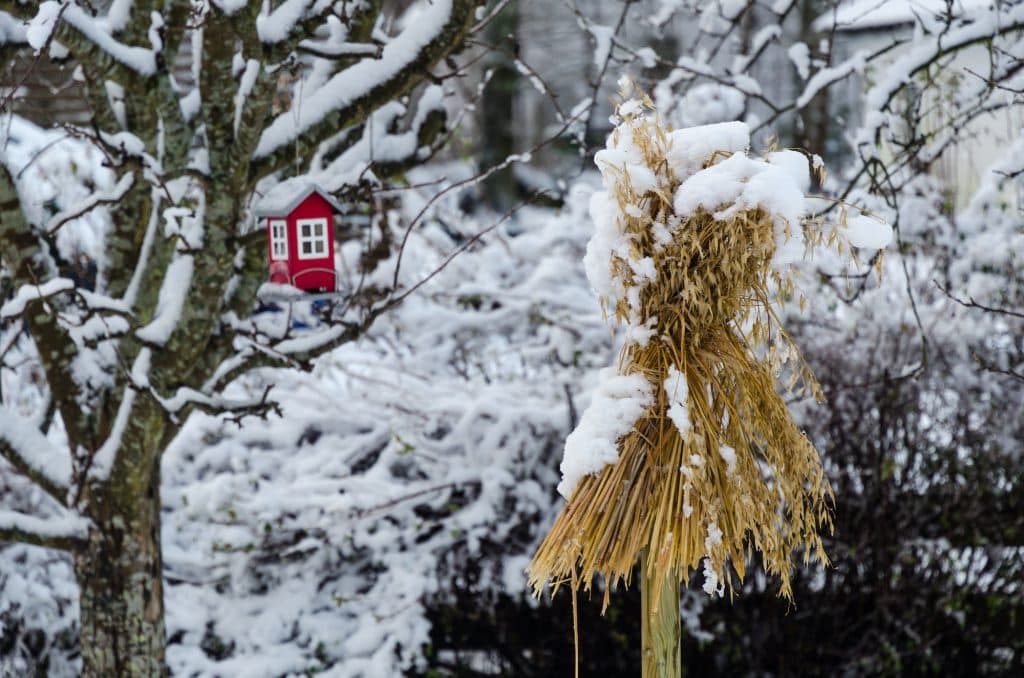
A julenek, a sheaf of grain often made from oats, is put outdoors for birds during the Christmas season. The custom connects the festive household with the farmyard and winter landscape. It has associations with older harvest traditions, while today many families simply enjoy feeding and watching the birds.
9. Christmas milk and nisse porridge

Milk companies join the festivities by putting Christmas pictures and nisse characters on their cartons, even when the milk inside is unchanged. The nisse is a small figure from farm and household folklore. Leaving a bowl of rice porridge for the fjøsnisse, or barn nisse, on Christmas Eve is a playful custom associated with keeping this sometimes helpful, sometimes mischievous character happy. The gift-bringing julenisse also blends older folklore with the modern Santa figure. Another creamy Norwegian porridge is rømmegrøt, made with sour cream, flour and milk; it is different from the rice porridge offered to the nisse.
10. Christmas eve is very important

For many Norwegian families, Christmas Eve is the main celebration. On December 24, people dress for dinner, share a festive meal, and open presents. Some also attend a church service or sing around the tree. The evening brings together the preparations described throughout this guide.
Two familiar Christmas Eve main dishes are ribbe, roast pork belly with crisp crackling, and pinnekjøtt, salted and dried lamb or mutton ribs that are soaked and then steamed. Ribbe is especially associated with eastern Norway, while pinnekjøtt has strong western roots. Potatoes and accompaniments such as sauerkraut or mashed swede complete different versions of the meal. Fish, other meats and vegetarian dishes also have a place according to the household.
11. A cookie baking extravaganza begins

The idea of baking seven kinds of Christmas cookies is a familiar tradition, though families may bake fewer, buy some or choose their own mixture. Alongside krumkaker, possibilities include pepperkaker, buttery serinakaker and crisp rosettes. Preparing the dough, shaping the cookies and filling tins can become shared activities before Christmas.
12. Christmas markets welcome visitors
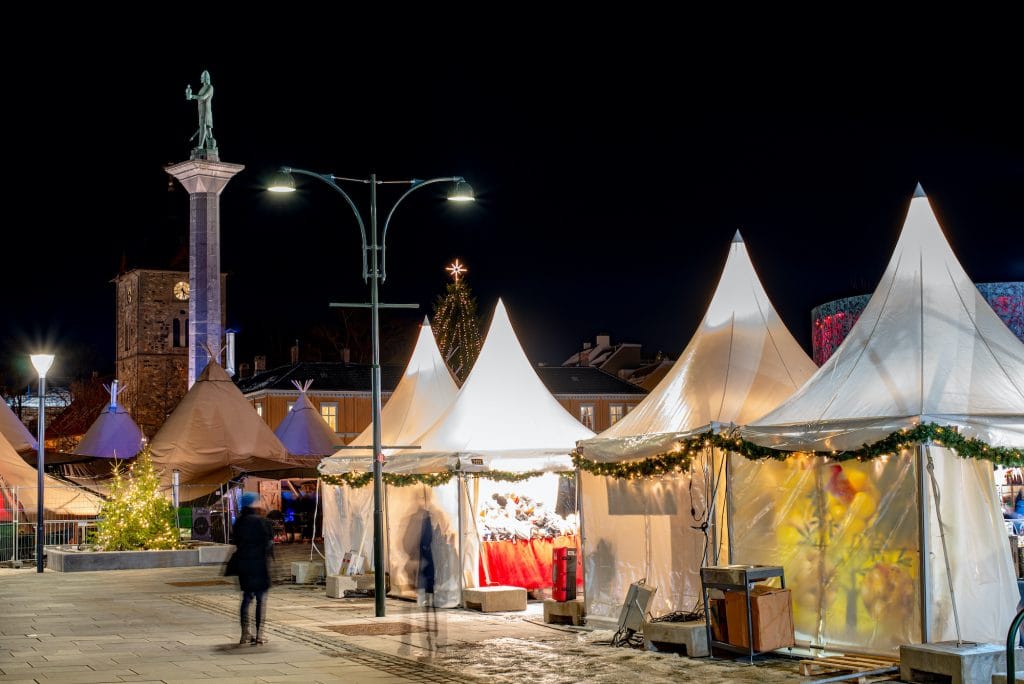
Christmas markets offer crafts, clothing, food and warm gløgg in towns and cities around Norway. Some include music or performances as well as stalls. A market visit can be a chance to find a handmade present, taste something seasonal and enjoy the lights; opening dates and programs vary.
13. Tree gift giving begins

Every year, Oslo gives London a Christmas tree in thanks for British support during the Second World War. Displayed in Trafalgar Square with lights arranged in vertical strands, it is a familiar symbol of friendship between the two cities.
14. Family and friend celebrations ensue

Visits, shared meals and time with friends or relatives connect the customs in this list. Some households sing around the tree, play games or tell stories; others prefer a quieter evening. The traditions stay personal through the foods, decorations and people each family looks forward to.
Planning a Visit or Joining a Celebration
Treat these traditions as a starting point. Ask your hosts what their own family does, check current opening hours and public event details, and confirm food or accessibility needs before making arrangements.
Explore More Christmas Ideas
Continue with Christmas Traditions in Denmark: How Xmas is Celebrated and Christmas Traditions in Switzerland: How Xmas is Celebrated.


 Christmas Traditions in Argentina: How Xmas is Celebrated

