
A useful Christmas wish list gives your family guidance while leaving room for their judgment. It explains what you would enjoy, which details matter, and what you already own. It should feel like a collection of possibilities rather than an order form.
Start by thinking about the way you actually spend your time. A gift that supports an existing interest, replaces something worn out, or creates an enjoyable afternoon is often easier to choose than an item added only to make the list longer.
Begin with What Would Be Useful or Enjoyable
Walk through a few ordinary days in your mind. Is there a tool you keep borrowing, a book you want to read, or a small comfort you would use regularly? Write those ideas down before looking at seasonal gift displays.
Include things you would welcome rather than things you think you ought to want. If you would enjoy a quiet meal together more than another decorative object, say so. A short, accurate list is much more helpful than twenty vague suggestions.
Give the Details That Prevent Guesswork
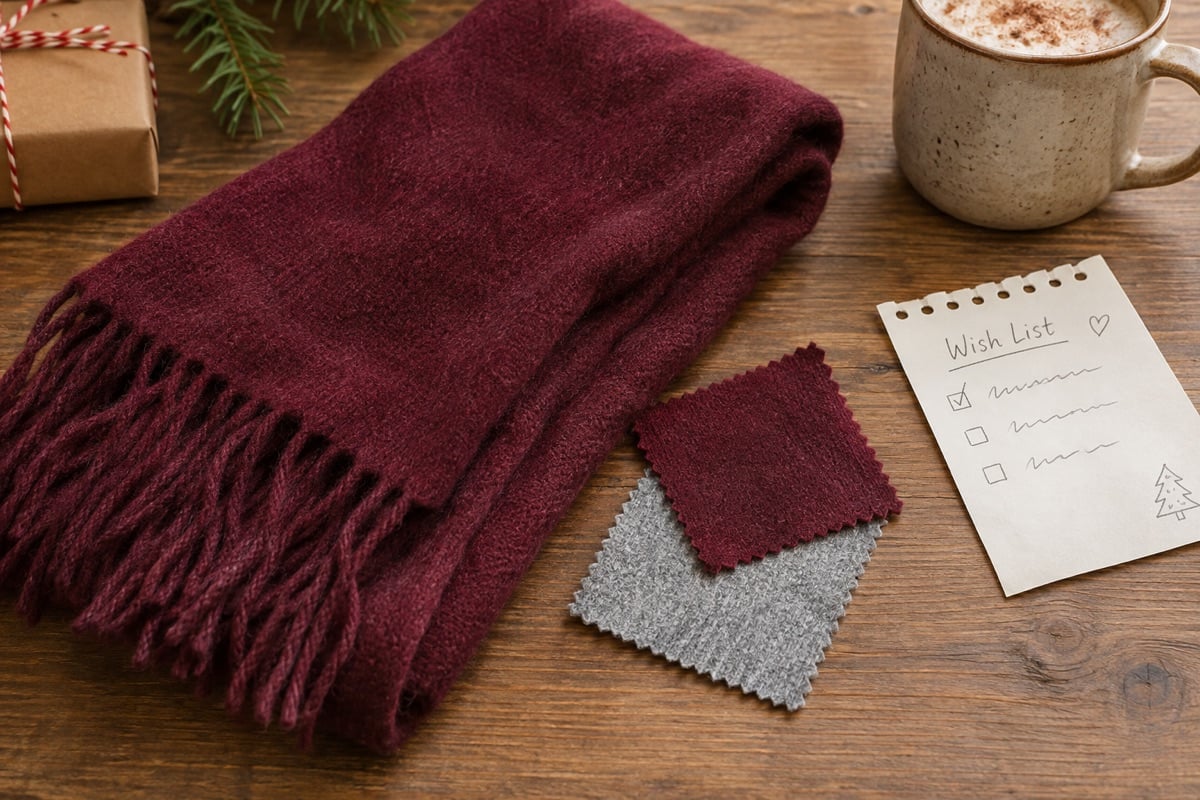
- For clothing: the size system, preferred fit, useful colors, and anything you cannot comfortably wear.
- For a book: the author, full title, format, and whether a secondhand copy would be welcome.
- For a hobby supply: the material, dimensions, or model that works with what you own.
- For a replacement: enough detail to distinguish it from a similar-looking item.
- For an experience: the general activity, suitable dates, accessibility needs, and whether company is part of the wish.
You can describe a particular product without insisting that every giver buys the exact same version. Mark the details that are essential and the ones that are simply preferences. That makes alternatives easier to judge.
For example: “An A5 watercolor sketchbook; paper intended for watercolor is essential, but the cover color does not matter. I already have brushes and pencils.” For a book, you might write: “A Christmas Carol by Charles Dickens, in large print; a complete secondhand copy in good condition would be lovely.” These notes tell the giver which substitutions will work without turning the whole list into a specification sheet.
Offer Different Price Points
Include several modest ideas as well as any larger wishes. A favorite tea, a used book, or an afternoon of help may suit one giver, while a household might choose to contribute together toward something larger.
Avoid assigning prices to particular relatives or implying that a costly present is expected. If you mention a shared gift, let the people involved decide privately whether it fits their budgets. Make it clear that the list is optional guidance and that choosing nothing from it is acceptable.
Include Gifts That Do Not Add More Stuff

A wish list can include time, skills, and experiences. Think about a walk followed by lunch, help sorting photographs, a ride to an event, or a lesson from someone who enjoys teaching. Be specific enough that the giver can imagine arranging it.
For example, ‘I would love an afternoon baking with you in January’ is easier to act on than ‘quality time.’ Check that the request is something the other person can comfortably offer, and avoid turning the gift into an open-ended obligation.
Explain What You Already Have
A brief note about duplicates can prevent wasted effort. Mention that you own the first two books in a series or that your kitchen has no space for another appliance. Keep the wording practical and kind.
If a category is particularly difficult to buy for, explain why. ‘I need to try shoes on myself’ offers useful information without criticizing anyone’s previous choice. You can suggest a shopping trip together if that would be enjoyable for both of you.
Choose a Simple Way to Share and Coordinate
Use one current list, whether it is a shared note, a family message, or a sheet of paper held by one organizer. Date it and remove ideas you have already bought for yourself. Several versions circulating at once can cause more confusion than no list at all.
For duplicate prevention, ask one trusted person to coordinate larger purchases or let givers reserve an idea privately. Preserve some surprise by keeping the recipient out of those conversations. You do not need a complicated tracking system for a handful of gifts.
Help Children Treat the List as Ideas
Invite children to talk about what they would play with and why. Let them include a few favorites rather than copying an entire catalog. Explain gently that a wish list shows possibilities and does not promise that everything will arrive.
They can combine their ideas with a letter to Santa that also includes a memory or a question. When the list is finished, put it aside and return to the shared parts of the season that do not depend on presents.


 How to Arrange Christmas Tree Lights Evenly
