
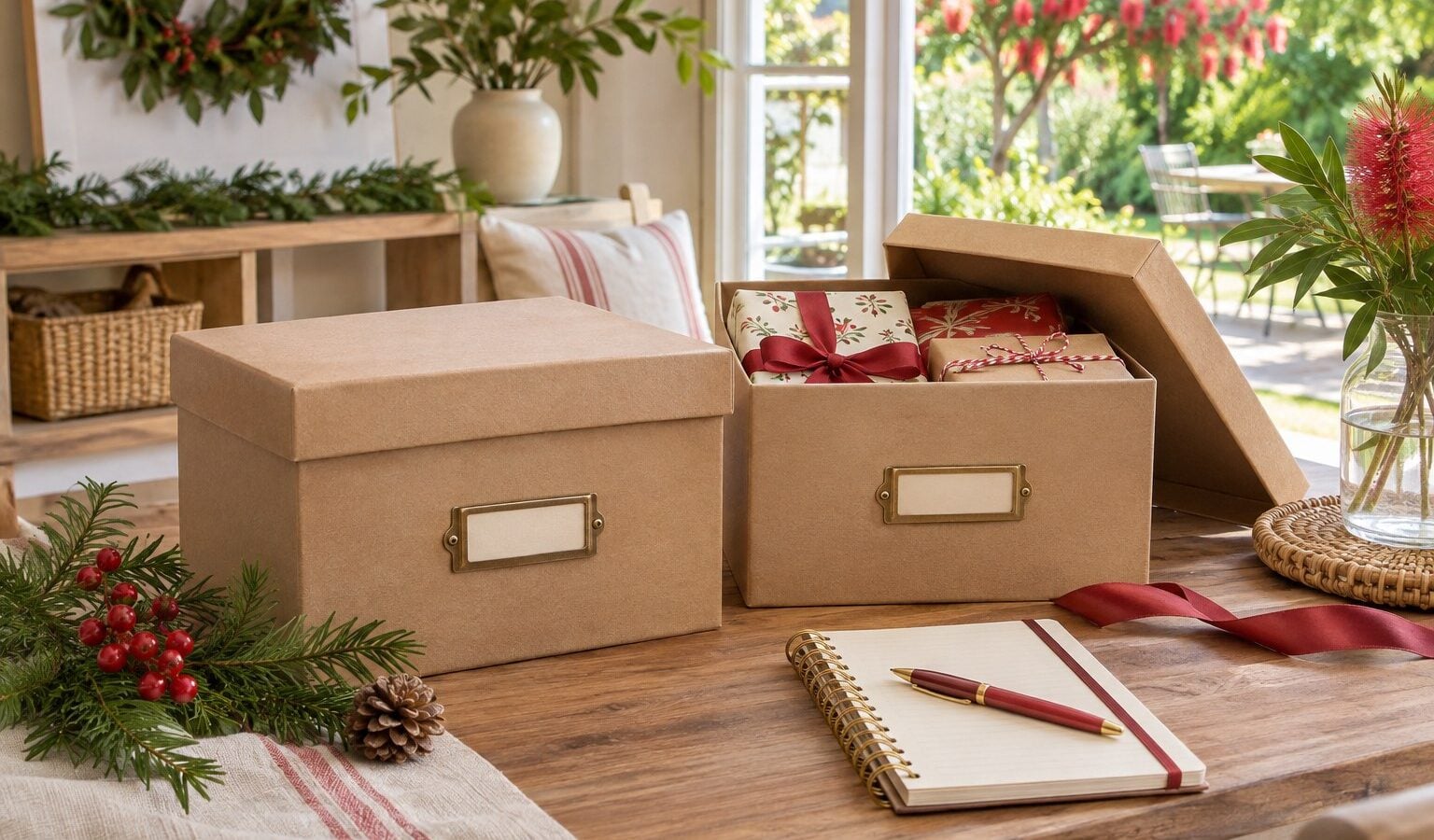
Keeping Christmas gifts a surprise is easier when the practical details have a system. A clear record and one sensible storage area can prevent duplicate purchases, missing parcels, and the last-minute search for a gift you know you bought.
You do not need elaborate hiding places or complicated codes. Choose a method that the people organizing the gifts can use comfortably, and agree on how shared purchases will be recorded without spoiling the surprise.
Keep One Reliable Gift Record
Use a notebook or a private list that is not left open on a shared screen. For each recipient, record the idea, spending limit, purchase status, storage location, and whether the gift is wrapped. Add a reminder if a part still needs to be made or collected.
If two adults are organizing gifts together, decide who updates the record. A second unconnected list can create exactly the confusion the system is meant to prevent. Record the gift when it is bought or made, rather than relying on memory at the end of a busy week.
For example: “Maya — birdwatching book — limit £20 — bought £16 — blue box, bedroom cupboard — wrap by December 20.” Add a separate note for anything still needed, such as a gift receipt. For a shared present, put the purchaser’s name in the same entry. Use your own currency and dates; the useful part is being able to see the next action at a glance.
Choose Safe, Ordinary Storage

Use a clean, dry indoor cupboard, a closed box on a suitable shelf, or another place where the items can remain undamaged. Avoid damp sheds, hot spaces, and locations that are difficult to reach safely. A fragile present needs protection, not just concealment.
Group gifts by recipient or by the date on which they need to be ready. If a box is labeled discreetly, keep the meaning clear enough for the people organizing it. A system that only one person can decode becomes a problem if that person is away when a gift is needed.
Plan Deliveries Before Ordering
Consider who is likely to receive a parcel and whether the packaging will reveal the contents. Read the delivery options offered by the seller and use an arrangement that is appropriate for your household. Do not assume a parcel will arrive in an unmarked outer box.
If you ask a trusted friend or relative to receive something, arrange it first and be clear about collection. Keep order confirmations and return information accessible to the purchaser without leaving a surprise on a shared screen or noticeboard.
Check the ordinary ways a surprise might appear: a delivery notification on a shared tablet, an order-history page left open, or a receipt in a shopping bag. Use your own account and device for gift planning where practical, and close the page when finished. Keep the order details until the recipient has checked the gift and any return period has passed.
Coordinate Shared Gifts Without Duplicating Them
- Choose one person to make the purchase or manage the handmade project.
- Agree on the total budget and each person’s contribution before committing.
- Record any accessories that are included so someone else does not buy them again.
- Decide who will wrap the gift and write the tag.
- Note the exchange date and how the gift will reach the recipient.
A shared gift should not depend on several people assuming that somebody else has handled the final step. A short message confirming the purchase or completion is often enough to keep the plan settled.
Wrap in Small Batches
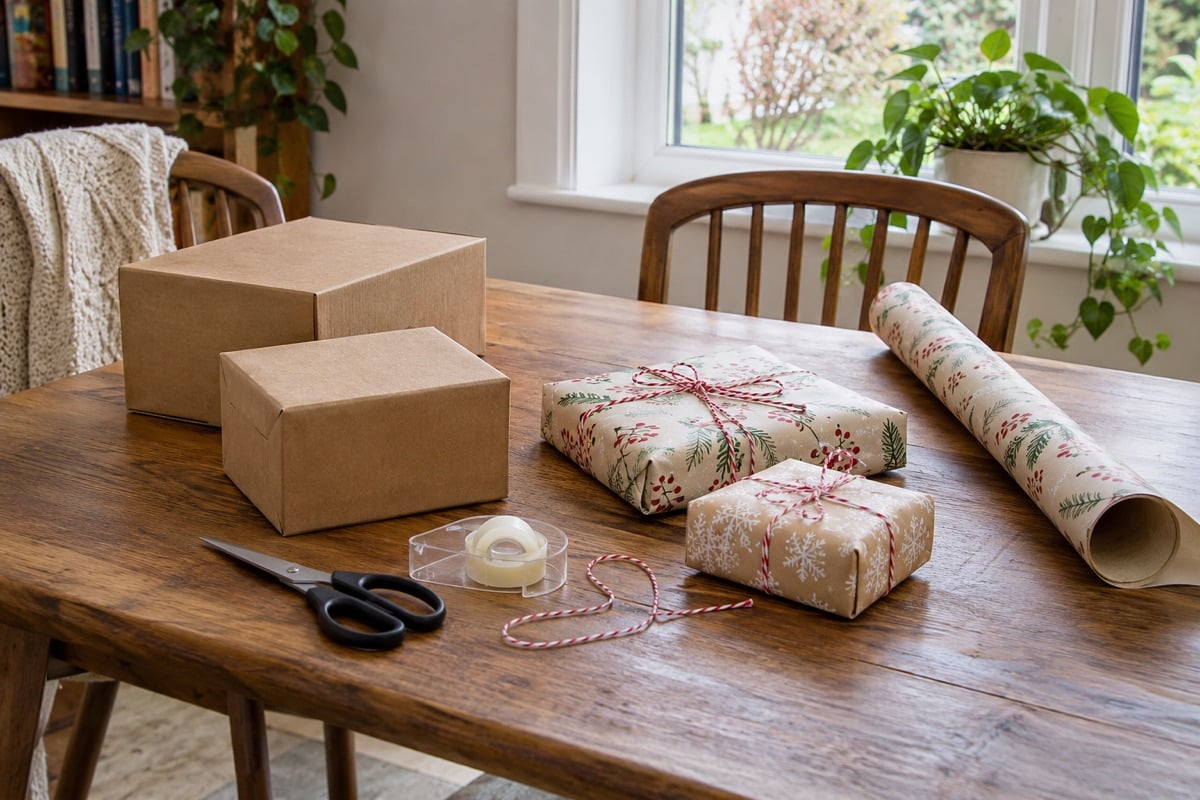
Wrap a few presents when the materials and space are available instead of leaving every gift until one late evening. Put the tag on immediately. A collection of identical wrapped boxes is surprisingly hard to identify later without opening them.
Keep receipts and care information where you can find them, and include any instructions the recipient needs. If a gift needs checking or assembly, complete that before wrapping it. The final parcel should be ready to give, not a reminder that another task remains.
Use a Household Agreement Instead of a Contest
Agree that a particular cupboard or box contains gifts and is not for casual searching. For children, a simple boundary is often more useful than increasingly elaborate hiding places. Avoid turning the surprise into a test that creates arguments or makes ordinary household spaces difficult to use.
If someone accidentally sees a gift, keep the response proportionate. The thoughtful choice and the time spent giving it still matter. A surprise is a pleasant detail, not the only reason a gift can be enjoyed.
Do a Final Gift Check Before the Exchange
Use the record to check that every intended recipient has a finished, correctly labeled parcel and that any gifts being carried or sent are ready at the right time. Look for stored items that have not yet been marked as wrapped.
Our Christmas gift shopping budget guide can help with the spending side of the record. When the list, storage, and wrapping routine work together, keeping the surprise no longer depends on remembering a hundred small details.


 Christmas Letter to Santa Ideas for Children
